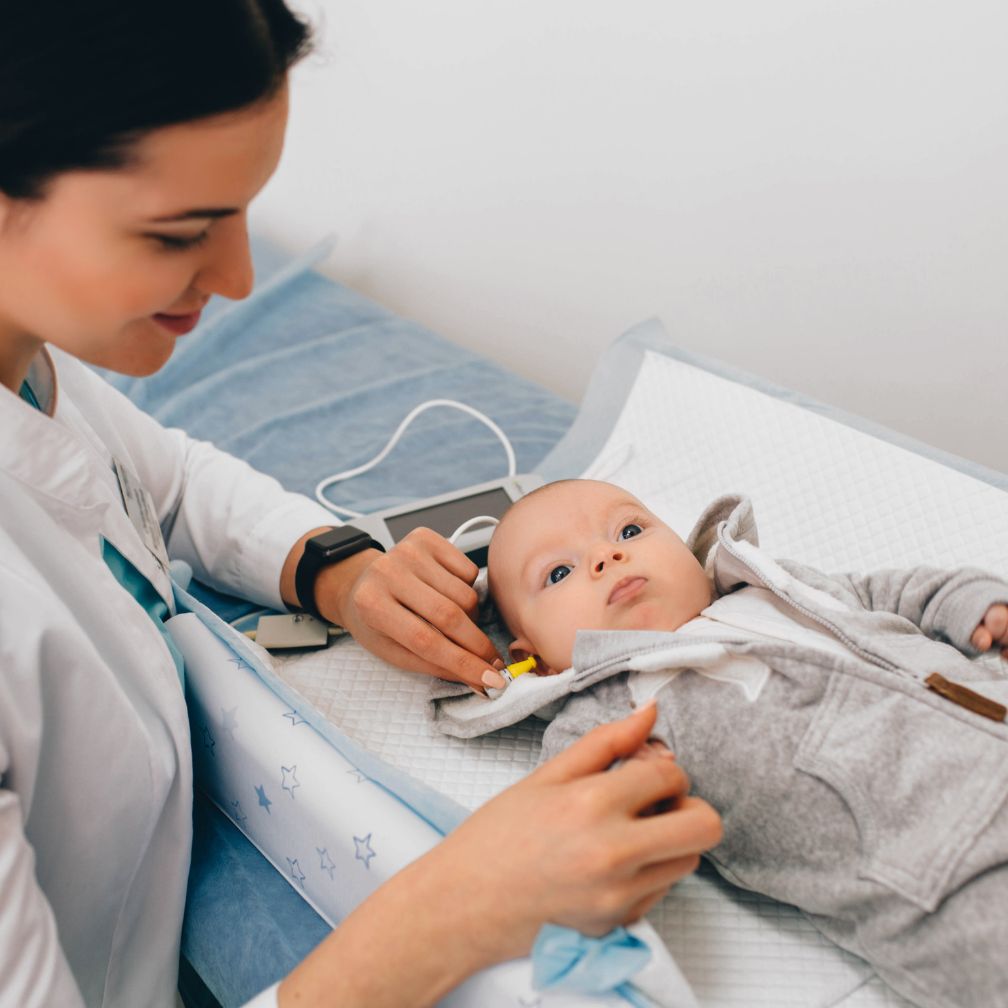
For parents of a newborn, recognizing that their infant suffers hearing impairment tends to spark heavy emotional dread. The reassuring truth is that by applying prompt testing and therapeutic help, young children with hearing deficits are able to succeed. In fact, such infants can build spoken language, expressiveness, and meaningful bonds throughout their community, ensuring a bright, enriched future!
Two of the primary supportive devices for helping infants with hearing loss include custom hearing aids and cochlear implants. In the section below, we examine their specific functions and explain how to determine the ideal match for your infant.
Exploring Causes of Auditory Loss in Infants
Hearing deficits among babies can originate from multiple medical influences, including:
- Known hereditary genetic markers (even absent any documented parental history)
- Early prenatal viral exposures like cytomegalovirus (CMV) or rubella pathogens
- Birth-related trauma, including neonate oxygen loss or premature delivery
- Particular ototoxic pharmaceuticals utilized in clinical neonatal units
Which action represents the highest priority? Rapid clinical identification. Because of these standards, babies born in United States facilities undergo auditory testing before discharge from the hospital. Respected pediatric hearing experts actively deploy the official “1-3-6” target timetable:
- Officially screened by 1 month of age
- Definitive hearing diagnosis confirmed within 90 days of life
- Specialized intervention (incorporating wearable options or targeted therapy) started within 180 days of birth
Achieving these critical milestones provides infants optimal opportunities for healthy speech, language, and brain development. If you want guidance concerning these screening milestones, your primary pediatrician remains ready to assist!
Hearing Aids for Infants
When addressing infants with mild to severe auditory impairment, digital hearing aids routinely constitute the preferred initial approach. These small, external hearing devices elevate sound intensity, assisting infants in capturing spoken communication and everyday acoustic cues more sharply.
Tailored infant hearing instruments serve as:
- Clinical grade safe for application in newborns merely weeks old
- Engineered with flexible, soft ear impressions that adjust alongside the infant’s growth
- Outfitted with child-resistant battery compartments and child-focused protective mechanisms
- Individually configured by a pediatric hearing professional to align with your baby’s exact hearing needs
While your infant develops, wearable units demand periodic adjustments to guarantee physical comfort and optimal performance.
Cochlear Implants for Infants
If a baby exhibits severe to profound sensorineural loss and receives minimal help from conventional hearing aids, a cochlear device can be prescribed. In direct contrast to standard hearing aids, cochlear implant systems:
- Require surgical placement directly into the temporal bone
- Successfully bypass non-working zones within the inner ear apparatus
- Transform environmental audio into targeted electrical signals that activate auditory nerve fibers directly
Modern cochlear implant systems operate as:
- Clinically approved by the FDA for use with pediatric patients starting at 9-12 months of age
- Most successful when combined with early intervention and strong household backing
- Prescribed solely following an exhaustive clinical assessment by an expert audiologist and ENT specialist
This evaluative framework encompasses high-resolution imaging, detailed hearing tests, and realistic discussions regarding long-term developmental milestones.
Comparing Hearing Aids and Cochlear Implants: Key Differences
- Mild to severe hearing challenges suit Hearing Aids; Severe to profound hearing impairment calls for Cochlear Implants
- Non-Invasive: Hearing Aids; Invasive surgical procedure: Cochlear Implants
- Standard sound amplification logic: Hearing Aids; Electrical signal stimulation conversion: Cochlear Implants
- Usage can begin in early infancy: Hearing Aids; Placement starts at 9-12 months: Cochlear Implants
Concluding Guidance on Pediatric Hearing Technology
Should your baby receive a formal hearing loss diagnosis, you can rely on excellent technological options alongside extensive professional backing. Through the guidance of experienced pediatric audiology teams, numerous children grow to master language skills that are on par with their peers.
Whether your child is a candidate for hearing aids or cochlear implants, early action can make a lifelong difference.
Have you got specific questions concerning your newborn’s hearing abilities? Reach out to our specialists today for a full evaluation and personalized care plan.
