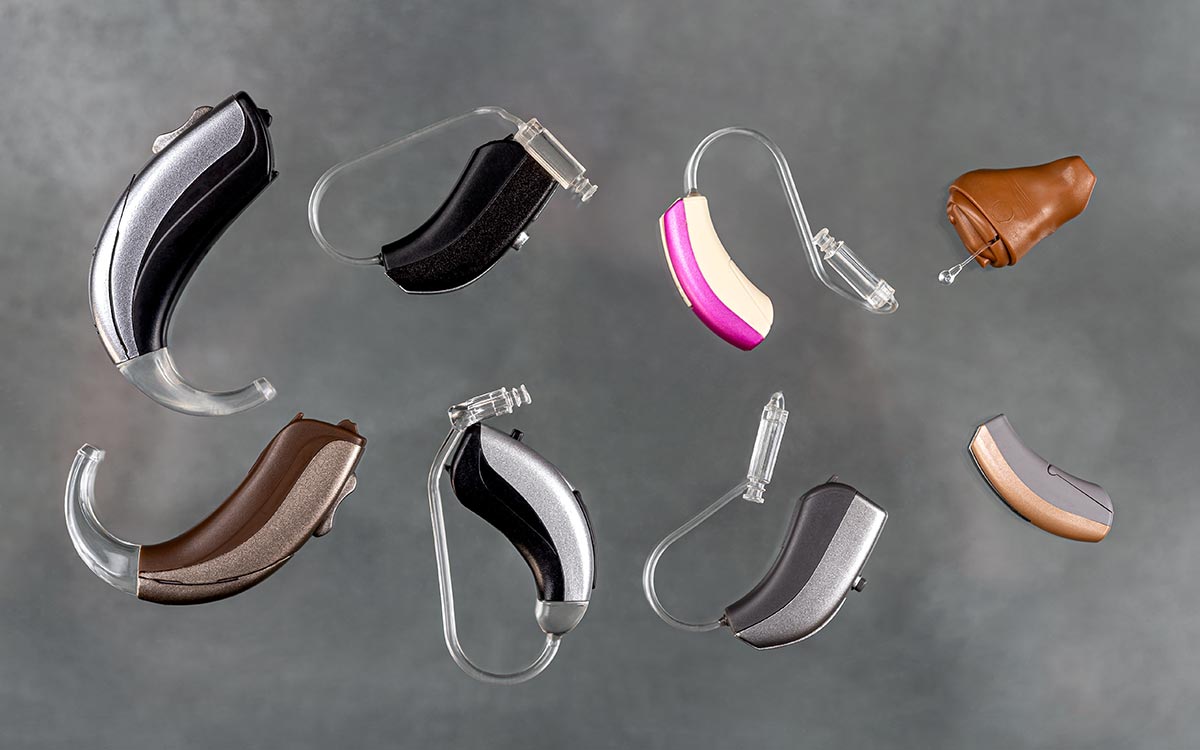
Choosing an instrument can feel daunting, especially when today’s devices come in so many styles, sizes, and technology levels. Fortunately, there is a perfect hearing solution for every individual, regardless of their lifestyle or the severity of their hearing loss. It’s just a matter of locating it!
Understanding the distinctions among the most common types of hearing aids can help you feel more informed and confident as you explore your options. Today, we’re summarizing the different hearing aid styles and what makes each one unique.
ITC (In-the-Canal) Hearing Solutions
Basic Overview:
ITC models are custom-fitted to sit within the ear canal, though a small part of the shell remains visible in the ear’s outer portion.
The Advantages:
- Provides a subtle appearance compared to traditional styles
- Tailored to the unique shape of your ear
- An effective option for those with moderate hearing needs
These devices are commonly suggested for novices due to their effective mix of subtle design and user-friendly functions.
Exploring IIC (Invisible-in-Canal) Options
Core Traits:
These are the tiniest custom-made devices on the market today. They are inserted deeply within the canal to remain hidden from view.
Why they are popular:
- Offers the most subtle design of any hearing aid style
- Microphone depth helps mimic the ear’s natural sound collection
- An ultra-light build makes them easy to wear all day
Because of their tiny stature, IIC devices typically work best for mild to moderate hearing loss and for those who prefer a nearly invisible option.
Understanding In-the-Ear (ITE) Units
The Fundamentals:
ITE hearing aids fill either the entire outer ear (full-shell) or the lower portion (half-shell). They are custom-made to fit the shape of your ear.
The Benefits:
- An appreciably larger casing houses advanced tech and more powerful batteries
- Easier to handle for those with dexterity challenges
- Capable of providing sufficient power for severe hearing needs while remaining in-the-ear
Many people pick ITE devices because they offer an integrated, self-contained design that doesn’t hook over the ear.
Behind-the-Ear (BTE) Hearing Aids
Functionality:
These devices rest on the outer portion of the ear’s anatomy. Audio is delivered via an ultra-fine tube or a personalized mold in the canal.
Common Motivations:
- Offers an enduring and flexible solution for various environments
- Can be set to help users with everything from mild to profound loss
- The size provides ample space for the latest connectivity features and rechargeable hardware
For those who prioritize a dependable device that is easy to manage and provides plenty of volume, BTE is a top choice.
The RIC Style Breakdown
Design Specs:
In a modern model, the speaker is detached from the main housing and placed inside the canal via an ultra-fine wire.
Why they are favored:
- Known for producing some of the most realistic audio in the industry
- The ultra-thin design is equally light and nearly effortless to wear
- Flexible enough to address a broad number of hearing impairments
Thanks to their ease and aesthetic beauty, RIC devices have become an industry standard.
Extended-Wear Device Details
Operational Details:
An audiologist places these specialized hearing aids deep into the canal, where they remain for multiple weeks.
User Incentives:
- Eliminates the requirement to place in or take out the device every day
- Sitting deep in the canal makes them completely hidden from view
- Engineering enables them to remain in the ear during all facets of daily life
Extended-wear devices are ideal for those who want a “set it and forget it” approach.
Smart Hearing Aids with Bluetooth
Digital Features:
These are modern units fitted with radio technology to sync with your personal electronics and televisions.
Modern Benefits:
- Allows for crystal-clear phone calls and media streamed directly to the device
- Gives you the power to adjust your volume and programs via an electronic app
- Provides the ultimate in ease for people who use smartphones regularly
You can find Bluetooth capabilities integrated into a variety of form factors, from RIC and BTE to custom ITC designs.
Surgically Implanted Middle-Ear Systems
Technical Description:
An operatively implanted device that physically vibrates the middle ear bones to amplify sound.
Medical Reasons:
- Provides an answer for patients with anatomy that prevents the use of conventional aids
- This is a specialized alternative for those with chronic ear canal sensitivity.
Candidates for middle-ear implants should undergo a comprehensive evaluation by a hearing specialist.
Selecting Your Ideal Auditory Option
Selecting an instrument is a personal process that takes into account your hearing severity, lifestyle habits, and visual preferences. An audiology professional is your best resource for evaluating these options and finding a match for your daily routine.
Begin your path to better sound by setting up a hearing test now. It is the most significant move you can make toward a more vibrant and confident life.
Sources:
https://www.mayoclinic.org/diseases-conditions/hearing-loss/in-depth/hearing-aids/art-
20044116
https://www.hearinglife.com/hearing-aids/types
https://www.nidcd.nih.gov/health/hearing-aids
