Sound dampening can be disorienting, often making you feel isolated from the community around you. It is common to presume that muffled sound signifies chronic hearing deficiency, but the problem is often just a treatable earwax blockage.
Distinguishing between a cerumen blockage and actual hearing loss is vital for determining if you need a simple cleaning or a formal audiological exam. Avoid the urge to worry if your hearing feels abruptly diminished. A professional evaluation will deliver the definitive answer, but the following guide outlines the main differences between wax-related issues and permanent loss.
What Earwax Buildup Feels Like
Cerumen (cerumen) is a natural, defensive substance that helps trap dirt and debris and keeps the auditory canal functional. Issues occur when too much wax builds up or becomes impacted.
Signs of a clog often feature:
- A noticeable reduction in hearing volume
- A feeling of fullness or blockage in the ear
- Overall ear discomfort or mild aching
- Ringing in the ear (ringing)
- Hearing that improves temporarily after opening the jaw or chewing
Because blockages are tangible, they commonly affect just a single ear at a point rather than both uniformly. Thankfully, extracting the obstruction generally resolves the signs immediately.
How Auditory Loss Typically Presents
Lasting hearing shifts, often caused by aging or noise exposure, are gradual and remain even if the ear is completely clean.
Symptoms of actual hearing loss may feature:
- Battling to track discourse when background noise is present
- Regularly requiring repetition during everyday dialogue
- A habit to increase sound output notably to make up for hearing loss
- Reduced responsiveness to higher-pitched sound input
- Bilateral hearing changes that affect both ears at once
A key difference is that actual loss misses the tangible “clogged” sensation that accompanies a cerumen impaction.
Primary Distinctions Summarized
When comparing earwax buildup vs. auditory impairment, a few indicators can help point you in the right path:
- Progression: Obstructions can feel instant, while hearing loss is almost always gradual
- Resolution: Wax-related hearing shifts are usually temporary; hearing loss is often permanent
- Sensations: Pressure and irritation indicate wax; word intelligibility challenges suggest loss
- Sides: One-sided dull sound points to wax, while bilateral suggests hearing loss
Why Clinical Consultation is Necessary
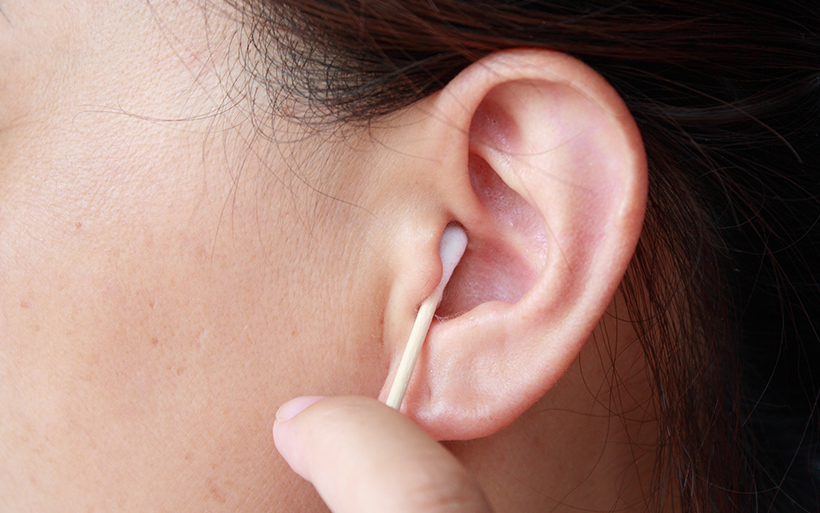
Many people make the error of attempting to extract a suspected obstruction themselves using probes or home tools. Unfortunately, these can shove wax further in and exacerbate the problem.
Based on data from the National Library of Medicine, inserting objects into the ear canal increases the likelihood of blockage and injury.
On the other hand, presuming a problem is merely wax when it is truly hearing loss can prevent you from obtaining the help you need to stay connected.
The Importance of a Professional Ear Exam
A brief clinical exam is the primary way to confirm if wax is truly the source of your muffled auditory issues.
If an obstruction is found, a professional can clear it carefully, often returning your auditory function immediately.
When the canal is clear but sound remains muted, a diagnostic assessment is necessary to audit your hearing integrity.
The NIDCD advises prompt evaluation whenever shifts in auditory function conflict with your daily life.
Determining Earwax Blockage or Auditory Decline?
Muted sound is hardly a definitive marker of chronic impairment.
Frequently, the problem is merely a collection of cerumen that can be easily cleared.
Your audiology specialists can help you to find the source of dull auditory symptoms so you can proceed with assurance and tranquility.
Please note that self-diagnosis is no substitute for a professional exam when it comes to your hearing.
Treating the issue now halts the stress of the unknown and puts you on the track to improved hearing.
Rather than guessing what is wrong, book a rapid check-up with our audiologists to get the reality.
