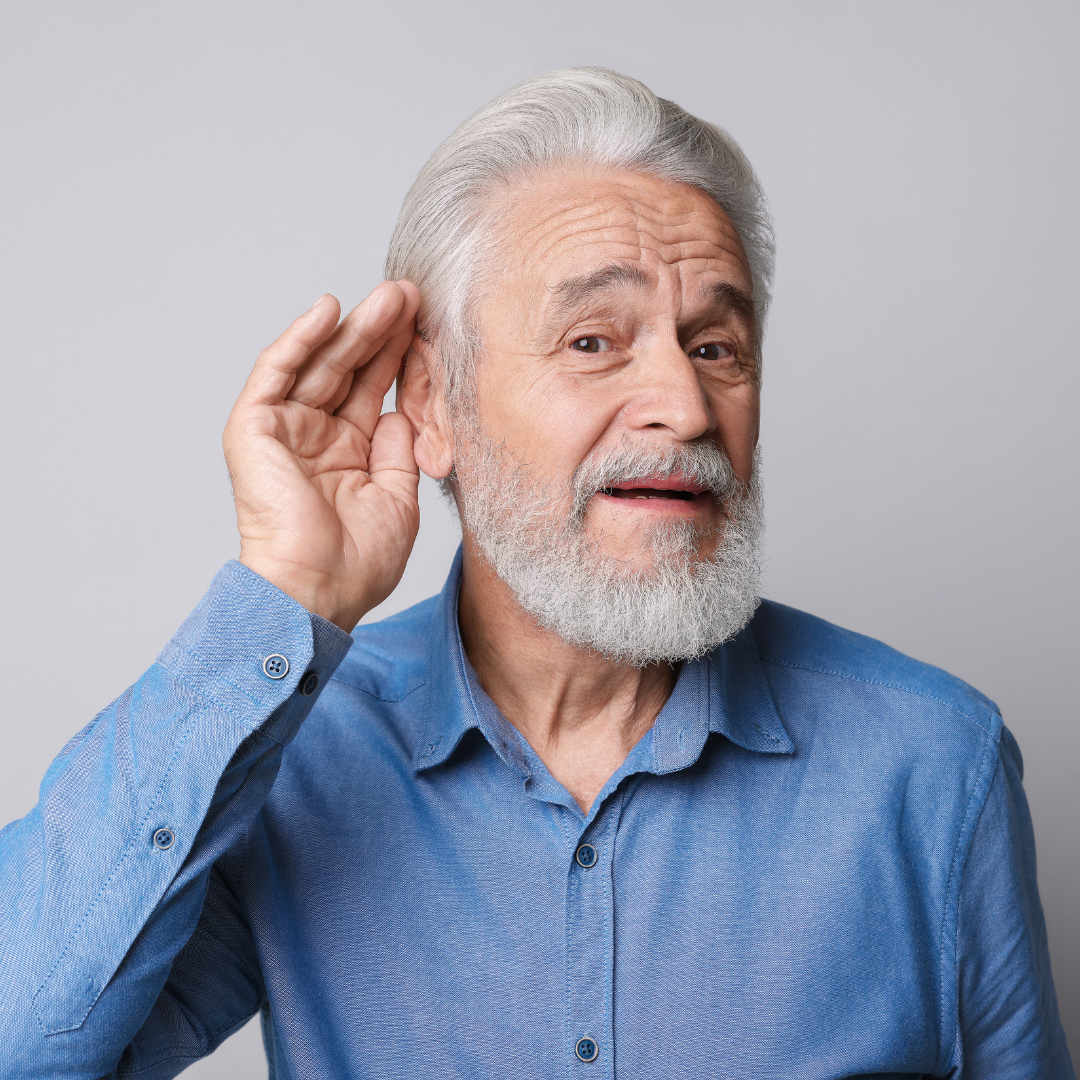
A sudden drop in hearing in one ear can be frightening and may leave those experiencing it unsure of their next steps. We provide immediate hearing assessments and coordinate urgent medical intervention when an acute auditory decline occurs. An acute sudden hearing loss demands prompt evaluation by an audiologist or ENT physician to initiate time-sensitive medical care or auditory rehabilitation.
Why Sudden Unilateral Hearing Loss Is a Clinical Emergency
Yes, unequivocally. Experiencing sudden hearing loss on one side constitutes a clinical emergency, especially when the drop happens over hours or a couple of days. Sudden sensorineural hearing loss, colloquially known as sudden deafness, compromises the sensory hair cells of the inner ear or the auditory nerve. It often occurs without pain and may be mistaken for congestion or a plugged ear.
Common clinical manifestations include:
- A rapid unilateral loss of sound volume and word distinction
- Difficulty processing telephone audio when switching the device to the affected ear
- A noticeable pop or sudden sensation of aural pressure just before hearing drops
- New ringing, buzzing, or roaring in the affected ear
- Onset of rotational vertigo, postural instability, or general disequilibrium
Refrain from waiting for spontaneous recovery to restore your hearing acuity. Call our clinic, an urgent care center, or an ear, nose, and throat doctor right away for same-day clinical guidance.
Why Should You See a Doctor Immediately for Sudden Hearing Loss in One Ear?
Rapid diagnostic assessment matters tremendously because medical management of sudden sensorineural hearing loss is most effective during the initial window. We must immediately determine if the loss is conductive—stemming from earwax blockage or middle-ear pathology—or sensorineural, signifying inner ear or neural involvement. While conductive and sensorineural losses can feel virtually identical to the patient, they mandate entirely different clinical therapies.
Performing physical otoscopy alongside a diagnostic hearing test confirms the exact classification, frequency configuration, and decibel severity of the hearing loss.
Seek emergency care immediately if sudden hearing loss occurs with:
- Acute facial nerve weakness, asymmetrical drooping, or numbness
- Impaired speech articulation, profound cognitive confusion, or an intense new headache
- Bilateral double vision, syncopal collapse, or an inability to maintain normal walking gait
- Sudden chest pain or clinical hallmarks of a systemic medical crisis
These severe symptoms may reflect critical neurological compromise or vascular pathology and must never be managed through a standard appointment.
Potential Etiologies of Sudden Sensorineural Hearing Loss
For the vast majority of patients with sudden sensorineural hearing loss, the exact etiology remains idiopathic. In cases where an etiology is successfully uncovered, it frequently involves localized inflammation, physical trauma, microvascular compromise, autoimmune pathology, or auditory nerve disorders.
Recognized pathological triggers include:
- Systemic or localized viral and bacterial infections
- Severe head trauma or direct exposure to an explosive acoustic blast
- Underlying autoimmune conditions attacking cochlear tissue
- Pharmacological ototoxicity resulting from specific clinical medications
- Localized microvascular occlusions or compromised blood circulation
- Idiopathic inner ear conditions including fluctuating Ménière’s disease
- Demyelinating neurological diseases like multiple sclerosis
- A benign neoplasm such as an acoustic neuroma along the hearing and balance nerve
Since patient symptoms alone cannot isolate the precise pathophysiological cause, immediate physical exam and audiologic testing are essential.
How Can Sudden Sensorineural Hearing Loss Be Treated?
Corticosteroids are a common treatment when sudden sensorineural hearing loss has no clear cause. The treatment can be administered systemically via oral tablets or delivered locally through the tympanic membrane to reach inner ear structures directly. Our clinical team outlines therapeutic options tailored to your specific case, factoring in symptom latency, severity of the loss, comorbid medical conditions, and medication tolerances.
Medical evidence supports initiating steroid treatment within the first two weeks, underscoring the necessity of immediate clinical intervention. Intratympanic steroid injections may also be recommended as salvage treatment when recovery is incomplete. In selected cases, a physician may discuss hyperbaric oxygen therapy combined with steroids.
Can Sudden Unilateral Hearing Loss Resolve Spontaneously?
Certain instances of sudden sensorineural hearing loss do demonstrate spontaneous improvement without therapeutic intervention. About half of diagnosed individuals regain varying degrees of hearing without treatment, typically over the initial two weeks. Still, there is no clinical way to predict at symptom onset who will experience spontaneous recovery, how much hearing will be regained, or whether stability will persist.
Anticipating spontaneous recovery is not a justifiable clinical rationale for postponing prompt care. Treatment becomes less likely to reverse permanent loss when it starts weeks after the change, so waiting may close an important treatment window. Recovery may be complete, partial, or minimal.
Rehabilitation Options for Treatment-Resistant Sudden Hearing Loss
If the affected ear does not regain full function, subsequent steps hinge on residual hearing levels, word-recognition clarity, and the exclusion of structural pathology. Diagnostic protocols may involve scheduling a cranial MRI scan or performing an auditory brainstem response test to inspect the auditory nerve and brainstem pathways.
Extended rehabilitative solutions may incorporate:
- A traditional hearing aid when the ear retains usable hearing
- A Contralateral Routing of Signals (CROS) hearing system that wirelessly routes sound from the non-functional side to the healthy ear
- A bone-conduction device for appropriate candidates
- Cochlear implantation designed to restore binaural hearing in qualifying cases of single-sided deafness
- Remote microphones and assistive listening tools configured for complex occupational, educational, or personal environments
Engaging in audiologic rehabilitation can alleviate severe listening fatigue, train sound localization, and resolve ongoing communication challenges. The optimal clinical choice is guided by diagnostic hearing test findings, individual acoustic environments, medical background, and personal lifestyle objectives.
Contact Us for an Urgent Hearing Assessment
If your hearing changed suddenly today or within the past few days, seek same-day medical guidance rather than waiting for a routine visit. We provide immediate diagnostic hearing evaluations, analyze bilateral auditory thresholds, review symptom chronology, and collaborate with an ear, nose, and throat specialist or medical provider.
Contact our clinic without delay to request a prompt hearing evaluation.
