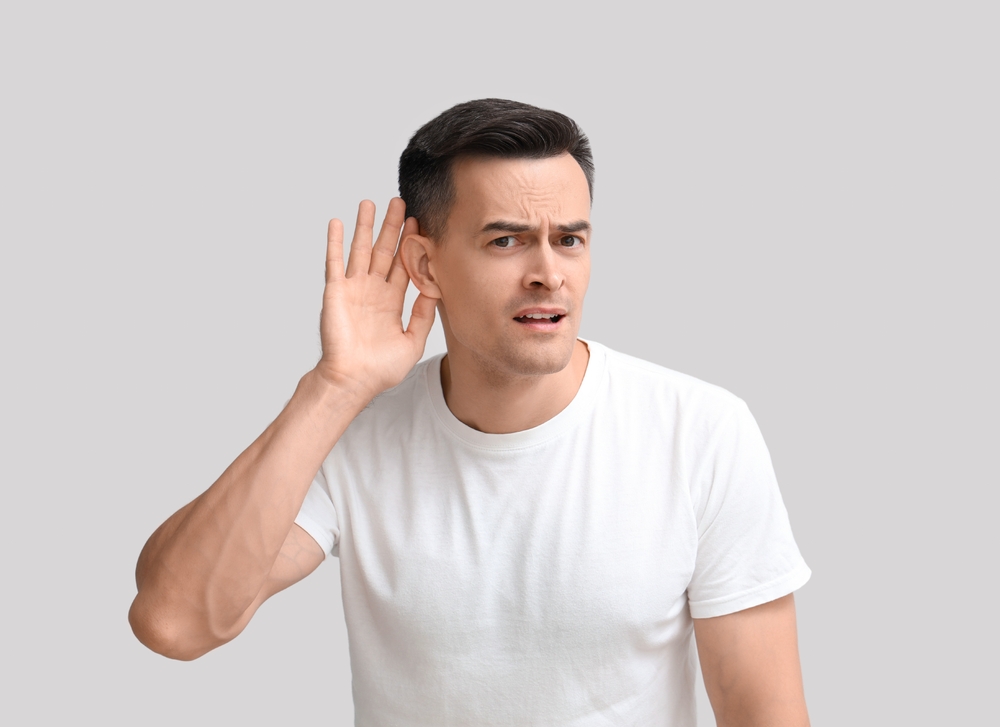
Have you ever felt totally drained after a long conversation or social gathering?
You may assume you’re just tired, stressed, or overwhelmed. While social gatherings are inherently demanding for people with sensory sensitivities, there may be another factor at play. In many instances, this persistent drain is the result of a condition called auditory fatigue.
This condition manifests when the brain’s auditory cortex is forced into an overactive state to interpret sound. If auditory input is degraded, the brain must engage in constant phonemic restoration to bridge the gaps in speech. Over time, this constant strain can leave you feeling mentally exhausted.
Many people mistake auditory fatigue for ordinary tiredness. However, it can actually be an early sign of hearing difficulties. A professional diagnostic evaluation is necessary to confirm if hearing loss is the root cause of your exhaustion. Should these symptoms persist, it is vital to discuss the possibility of hearing loss with a healthcare professional.
The Physiological Triggers of Auditory Fatigue
Various stressors can overtax the auditory cortex, leading directly to the onset of auditory fatigue.
Untreated Hearing Loss
Unmanaged hearing loss stands as a primary catalyst for chronic listening exhaustion.
When acoustic signals are incomplete, the brain engages in heavy “top-down” processing to reconstruct speech. This perpetual state of “phonemic guessing” elevates cognitive load and triggers rapid burnout during dialogue.
Noisy Environments
Acoustically complex settings serve to intensify the demand on the brain’s filtering systems. Loud public spaces, corporate boardrooms, and large social gatherings typically feature high levels of competing ambient noise.
When multiple sounds occur at once, the brain must filter through them to identify the important information. This process can create cognitive overload, especially for people with hearing loss (even mild cases).
The Role of Tinnitus in Auditory Fatigue
The presence of tinnitus creates a dual-processing burden, forcing the brain to manage both phantom internal signals and legitimate external sound.
Degraded signal quality resulting from hearing loss forces the auditory cortex into an inefficient processing loop.
Identifying the Symptoms of Listening Exhaustion
The manifestations of auditory fatigue impact both cognitive performance and systemic energy reserves. Common signs include:
- Feeling mentally drained after conversations
- Struggles with cognitive focus during collaborative sessions
- Physical head pain triggered by extended periods of listening effort
- Increased emotional volatility in loud or busy environments
- Self-isolation as a defense mechanism against listening effort
- The need for a “quiet recovery period” following social exposure
Should these signs become habitual, they serve as evidence of excessive cognitive load.
How the Brain Compensates for Hearing Impairment
Under optimal conditions, the auditory cortex decodes language with minimal neural expenditure. When input is weak, the brain must “steal” processing power from other areas to manage auditory interpretation.
Researchers describe this as increased cognitive load. The brain is forced to sacrifice higher-level thinking to manage the low-level task of hearing sound. Over time, this extra effort can leave you feeling mentally depleted. Under these conditions, even brief interactions demand an unnatural level of mental focus.
Using Clinical Evaluations to Uncover Auditory Strain
When fatigue becomes a daily burden, a professional evaluation provides the necessary data for a solution. During a comprehensive hearing test, an audiologist will measure how well you hear different tones and speech sounds. They may also evaluate how well you understand speech in background noise, which can reveal challenges that may not appear in quiet settings.
The results of a hearing test provide the roadmap for addressing both the impairment and the resulting burnout. By catching these changes in their infancy, you can implement solutions before they damage your social and professional life.
The Benefits of Audiological Rehabilitation
Treating hearing loss can significantly minimize listening fatigue.
High-tech hearing aids do the “heavy lifting” for the brain by isolating and clarifying voices in real-time. This allows the brain to receive clearer signals without constantly trying to fill in missing sounds.
As the cognitive burden of hearing is lifted, patients typically report gains in:
- A feeling of being more “awake” and present throughout the day
- Ability to follow complex dialogue without drifting off
- Comfort in social settings
With less strain on the brain, everyday interactions can feel more natural again.
Is it Time for a Professional Hearing Check?
It may be time to schedule a hearing evaluation if:
- You feel exhausted after conversations
- Friends or family members mention that you often ask them to repeat what they’ve said
- Background noise makes speech recognition a major challenge
- Social withdrawal is becoming your default response to difficult acoustics
Early action on hearing impairment is a foundational step in preserving your mental and social health.
Common Inquiries Regarding Listening Effort
Is auditory fatigue the same as hearing loss?
No—fatigue is the “symptom” (burnout), whereas loss is often the “cause” (the impairment). That said, hearing loss remains the primary catalyst for chronic listening burnout.
Do Hearing Aids Help with Exhaustion?
Absolutely; by cleaning up the acoustic signal, modern devices take the processing load off the brain.
Can Auditory Fatigue Be Cured?
With the right treatment, the exhaustion associated with auditory fatigue is often completely reversible.
Reclaiming Your Energy After Social Events
Daily dialogue should not be a source of profound cognitive depletion. When simple listening becomes a chore, it is a sign of an inefficient auditory processing loop.
Begin your journey back to energy by booking a comprehensive hearing test now. The path to social confidence and mental clarity begins with accurate hearing data.
