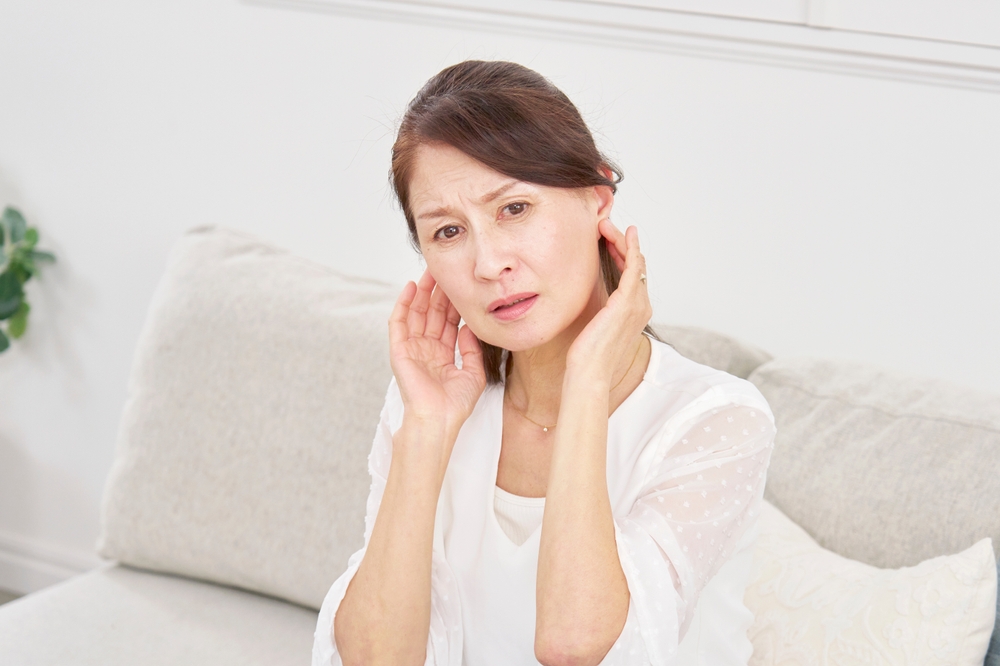
Beginning your morning only to find your hearing has vanished creates an immediate sense of panic. When hearing diminishes without a clear cause or warning sign, the ensuing disorientation is significant. Though certain triggers are short-term and easy to resolve, others necessitate rapid clinical intervention.
Grasping the standard reasons behind sudden deafness and knowing when to seek for help is vital for your prognosis. Below, we’re examining sudden hearing loss, possible causes, and when to seek professional care.
Understanding Rapid Auditory Decline
We define sudden hearing loss as a sharp drop in hearing sensitivity that occurs within a few hours or up to three days. It may affect one ear or, less commonly, both. Individual experiences vary from clouded hearing and tinnitus to a distinct sense of congestion or vocal distortion.
Navigating SSHL: A Medical Priority
Sudden sensorineural hearing loss is one of the most urgent causes to evaluate.
This impairment occurs when there’s a problem with the inner ear, auditory nerve, or brain pathways involved in hearing. The source is frequently idiopathic, though medical professionals identify several likely contributing elements:
- Vascular limitations affecting auditory nerve function
- Systemic inflammatory triggers or autoimmune reactions
- The activity of viral pathogens
- Advanced neurological conditions
Since the window for successful treatment is so narrow, SSHL is treated as an urgent crisis where early care dictates the outcome.
Viruses and Inner Ear Health
Various viruses have the capacity to damage hearing permanently by causing inflammation in the auditory nerve.
The following viral conditions are commonly associated with sudden onset hearing issues:
- Routine upper-airway viral activity
- The seasonal flu virus
- Neural infections
- Post-COVID viral effects
You may notice hearing shifts as a pathogen resolves, often paired with a sense of instability or pressure.
Head or Ear Trauma
Traumatic events such as concussions, barotrauma, or intense noise exposure can compromise the ear’s fragile anatomy.
Physical damage from injury often stems from:
- Head injuries or concussions
- Acoustic or atmospheric barotrauma
- Exposure to extremely loud sounds
- Cochlear fluid disruption
Don’t ignore minor trauma, as rapid hearing changes post-injury often signal underlying damage.
Impacted Cerumen and Hearing Blockage
While not a medical emergency like nerve damage, impacted wax is a frequent cause of sudden auditory dullness.
Symptoms of impacted cerumen typically:
- Manifest with abrupt speed
- Present as a steady internal pressure
- Be more pronounced on the left or right
- Clear up following the expert extraction of the wax
Importantly, it’s not always easy to tell at home whether hearing loss is due to wax or a medical crisis. That’s why clinical testing is critical.
Exploring Secondary Triggers for Hearing Changes
Other variables that can affect a sudden drop in hearing include:
- Secondary reactions to certain medications
- Vascular health issues affecting the ear
- Abnormal immune responses targeting the auditory system
- Rare growths affecting the auditory nerve
Undergoing a full audiological workup is the only way to accurately identify or dismiss these factors.
Why Acting Fast Matters for Sudden Hearing Changes
It is critical to understand that delaying evaluation for sudden hearing loss is a major risk.
A fast response from an audiologist can help:
- Uncover treatable factors behind the hearing decline
- Enhance the overall success rate of medical interventions
- Protect against lasting damage to the hearing nerve
- Limit long-term communication challenges
Hearing assessment plays a key role in determining the type and severity of hearing loss and guiding next steps.
Identifying Red Flags for Urgent Hearing Care
Do not delay seeking a specialist if you encounter any of these sudden changes:
- A rapid drop in hearing sensitivity in one or both sides
- Auditory shifts paired with a distinct sense of dizziness
- Ringing or pressure that appears suddenly
- Hearing loss after illness or injury
Though hearing returns partially, evaluation is still important to find out what’s going on.
Rapid Diagnostics for Auditory Clarity
Hearing tests can quickly clarify whether hearing loss is:
- Conductive in nature, often caused by physical obstructions
- Nerve-based or related to inner ear damage
- A reversible shift or a chronic auditory decline
Initiating diagnostics early facilitates more effective clinical choices and improved recovery.
Prioritizing Your Auditory Health and Peace of Mind
Abrupt hearing loss is bound to feel alarming, but the sooner you seek care, the more options you may have to address it.
Choosing to get evaluated immediately after a change in hearing ensures you are taking the right steps for your future. Our expert staff is ready to assist you: Please contact our clinic immediately for an emergency assessment.
