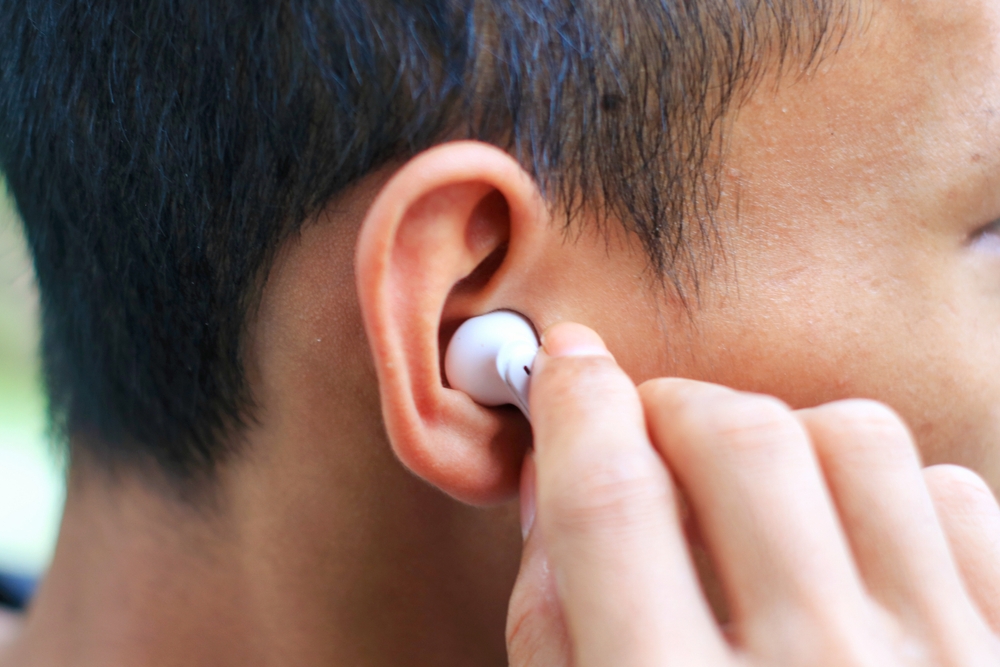
Rarely do we see a young adult in public without an earbud in their ears. Even with their larger footprint, headphones remain a popular choice for teenagers looking to disconnect from the world. We all enjoy listening to music, no matter our age, but younger people rely on music to pass the time. This leads to the clinical question: can the proximity of these devices to the ear canal trigger permanent auditory damage? The danger is not inherent to the technology but is instead a product of specific usage habits.
The Risks of Prolonged High-Decibel Exposure
The right music can induce a state of relaxation, provide spiritual comfort, or drastically boost energy levels. Depends on the music. Personal audio tech provides a convenient way to consume media without infringing on the silence of those nearby. Most individuals view this as a positive etiquette, especially within the confined spaces of a bus or train.
The essential inquiry remains: at what decibel level and timeframe does listening become dangerous? The truth is, loud noise in general is damaging to your ears and your hearing. If you maintain a high volume for a long period, you risk destroying the hair cells in your inner ear. Because auditory decline is often a slow, cumulative process, the damage is frequently advanced before symptoms are noticed.
The Biological Impact of High-Intensity In-Ear Audio
Volume is the key danger for noise-induced hearing loss. However, the duration of the exposure matters as much as the volume.
- Clinical guidelines from the NIH suggest that listening at or below 70 dB prevents damage regardless of the duration.
- High-intensity sound waves cause cellular damage in a fraction of the time required by moderate sounds.
- To protect your ears, utilize the 60/60 guideline: never exceed 60% power and rest after 60 minutes of use.
- You can safeguard your auditory health by reducing device intensity and monitoring your cumulative daily usage.
Indicators That You May Need a Hearing Evaluation
If you commonly hear muffled sounds, find it difficult to understand conversations in noisy places, have ringing in your ears (tinnitus), and frequently ask people to repeat what they said or to speak louder, it’s time to have a hearing exam with a professional.
Reach out to our care team immediately if you are concerned about your current hearing sensitivity.
